
Solenoid valves for liquid media
Whether water, coolants, chemicals, food products, or ultra-pure media, modern valves ensure the safe, reliable, and precise control of liquids across a wide range of applications. They are responsible for shut-off, dosing, regulation, and distribution of media, making them an essential component of efficient process operations.
Our valve solutions are suitable for a wide range of applications and industries. These include the pharmaceutical and biotechnology sectors, the food and beverage industry, water and wastewater treatment, the chemical industry, and mechanical and plant engineering. They can also make a valuable contribution to safe, efficient, and high-quality processes in particularly demanding fields such as semiconductor manufacturing, medical technology, and energy and environmental engineering.
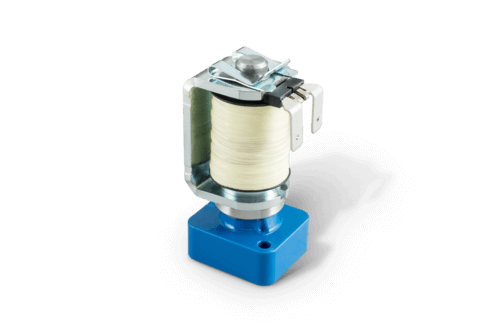
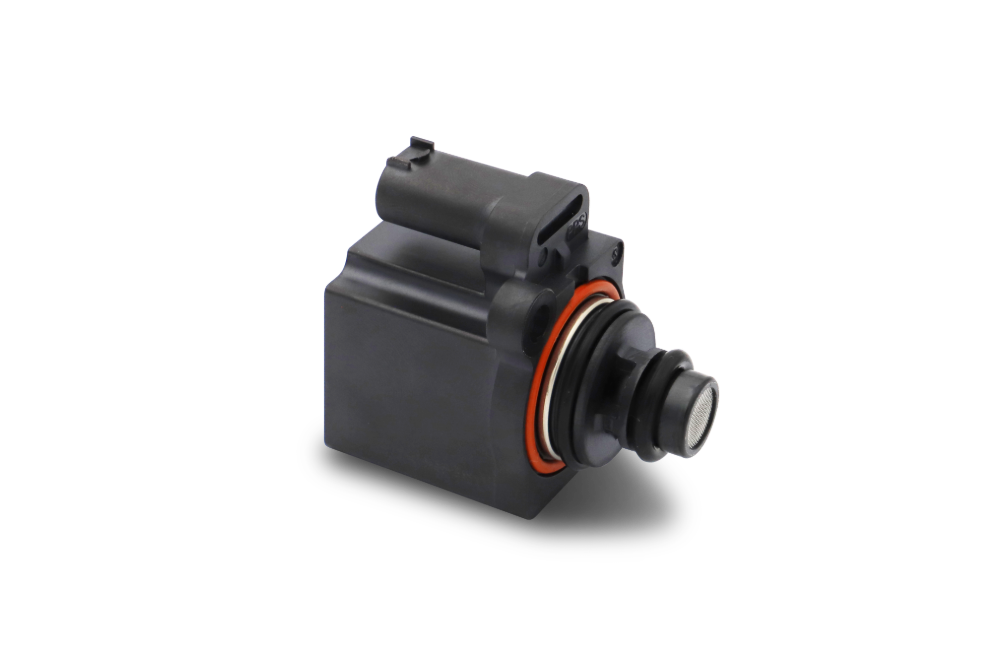
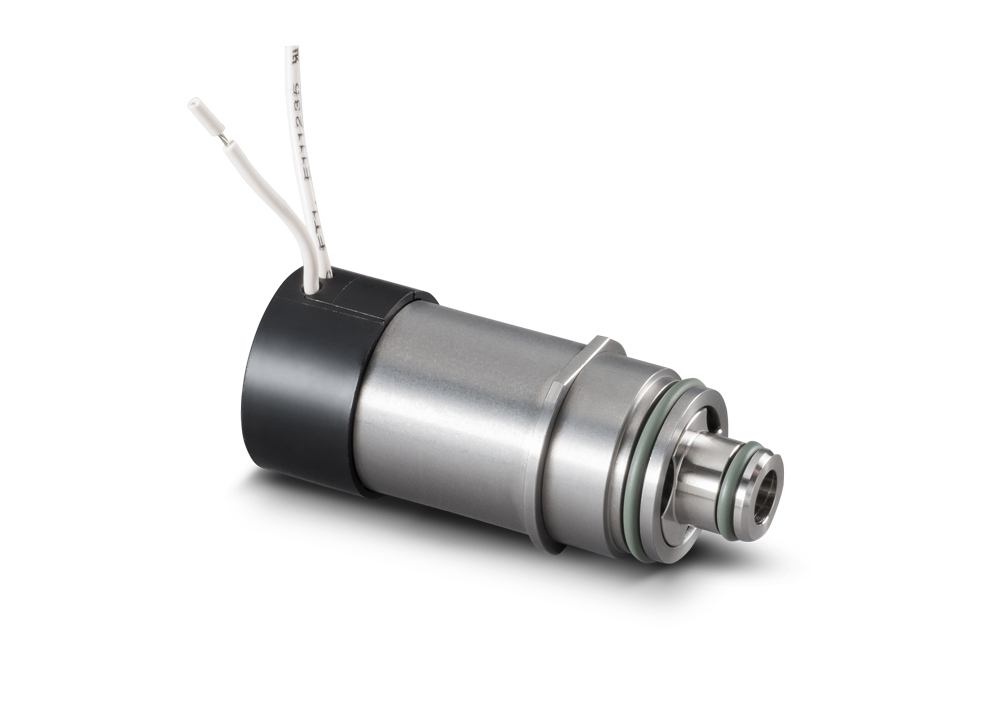
Depending on the application requirements, different valve technologies are available. Solenoid valves enable fast switching operations, while control valves or proportional solenoid valves ensure precise flow control, and media-separated valves provide optimal conditions for hygienic or aggressive media.
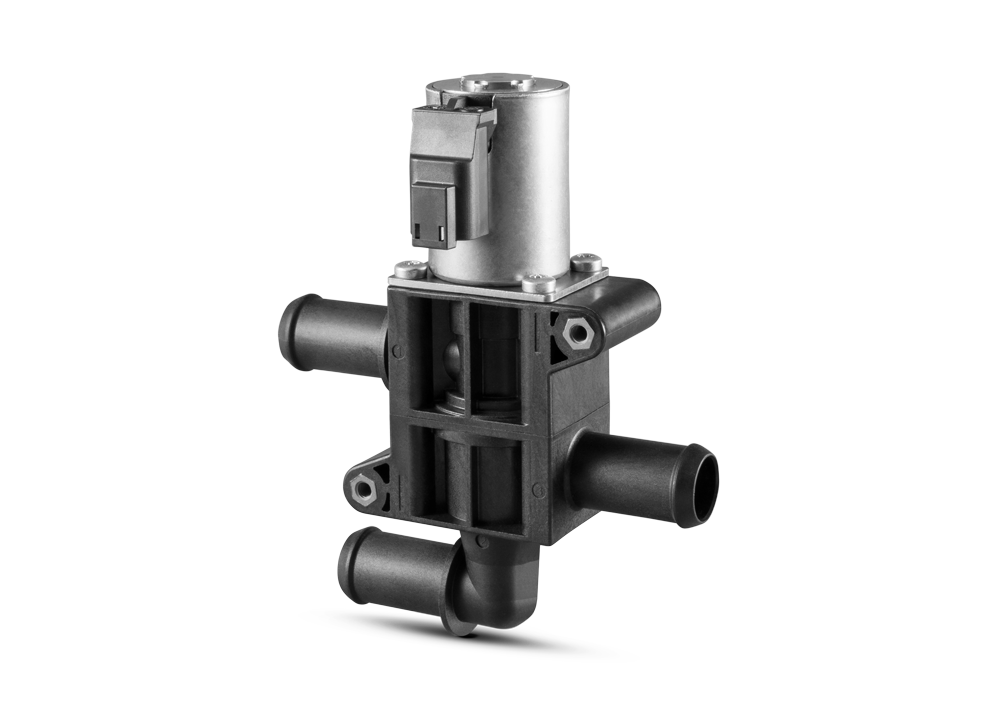
In addition to electromagnetic valve technologies, we also offer electromotive valve solutions. These are particularly suitable for applications requiring high flow rates and more than two switching positions, where slower switching speeds do not represent a disadvantage.
Typical application areas include:
- Water and wastewater technology
- Cooling and heating circuits
- Server and data center cooling
- Dosing and mixing systems
- Food and beverage production
- Pharmaceutical and biotechnology processes
- Chemical process engineering
- Laboratory and analytical equipment
- Ultra-pure water and semiconductor applications
- Energy, hydrogen and environmental technologies
The right solution for every application: from simple shut-off functions to highly precise control and dosing processes, we offer valve solutions tailored to your specific requirements.
A number of our standard products are inherently suitable for use with liquid media due to their design. In addition, we offer customized solutions for project-specific requirements and high-volume production applications, derived from proven valve solutions.
Frequently asked questions about valves for liquid media
What media are MAGNET-SCHULTZ valves suitable for?
The suitability for specific media is generally specified in the valve data sheet. We are happy to check suitability for media not listed, upon request. In addition to the resistance of the valve, industry-specific requirements such as FDA compliance (medical technology, food) may also be of essential importance.
Which valve is suitable for my application?
The choice of the right valve depends on various factors, including media, pressure, temperature, flow rate and the required level of control accuracy. We are happy to support you in selecting the optimal solution for your application.
What distinguishes valves for gaseous media from valves for liquid media?
Valves for liquid media are generally designed with media separation, meaning that the medium does not come into contact with the valve's solenoid actuator. This prevents, on the one hand, unwanted deposits or damage within the valve caused by the medium and, on the other hand, prevents particles from the valve actuator from entering the medium.
What distinguishes hydraulic valves from valves for liquid media?
In contrast to conventional hydraulic valves, which are designed for operation with hydraulic oils and high pressures, valves for liquid media are primarily used for the precise control, dosing, and distribution of a wide variety of media. They are often based on valve technologies similar to those used in gas applications and are specially adapted for reliable use with liquids. As a result, they are suitable for a wide range of applications, including medical technology, the food industry, battery cooling, and modern data center cooling systems.
How is media separation ensured?
Media separation is achieved by integrating suitable diaphragms into valves. The diaphragm material and design are tailored to the specific application and, in particular, to the media being handled.
What is the difference between a solenoid valve and a control valve?
Solenoid valves are primarily used for the rapid opening and closing of a flow path. Control valves, also known as proportional valves, on the other hand, enable continuous and precise control of flow, pressure or temperature.
Can valves also be used for aggressive media?
Yes.
Depending on the medium, valves made of stainless steel or featuring special sealing and housing materials are available that are suitable for corrosive and aggressive liquids.
What role do valves play in cooling and temperature control systems?
Valves control the flow of cooling or heat-transfer fluids and help maintain stable temperatures while improving the energy efficiency of systems.
Are valves used in data centers and server cooling systems?
Yes.
Modern liquid cooling systems in data centers use valves for the precise control of cooling media within cooling circuits, coolant distribution units (CDUs), direct-to-chip (D2C), direct liquid cooling (DLC), cold plate cooling or immersion cooling applications.
 +49 8331 1040
 info@magnet-schultz.com